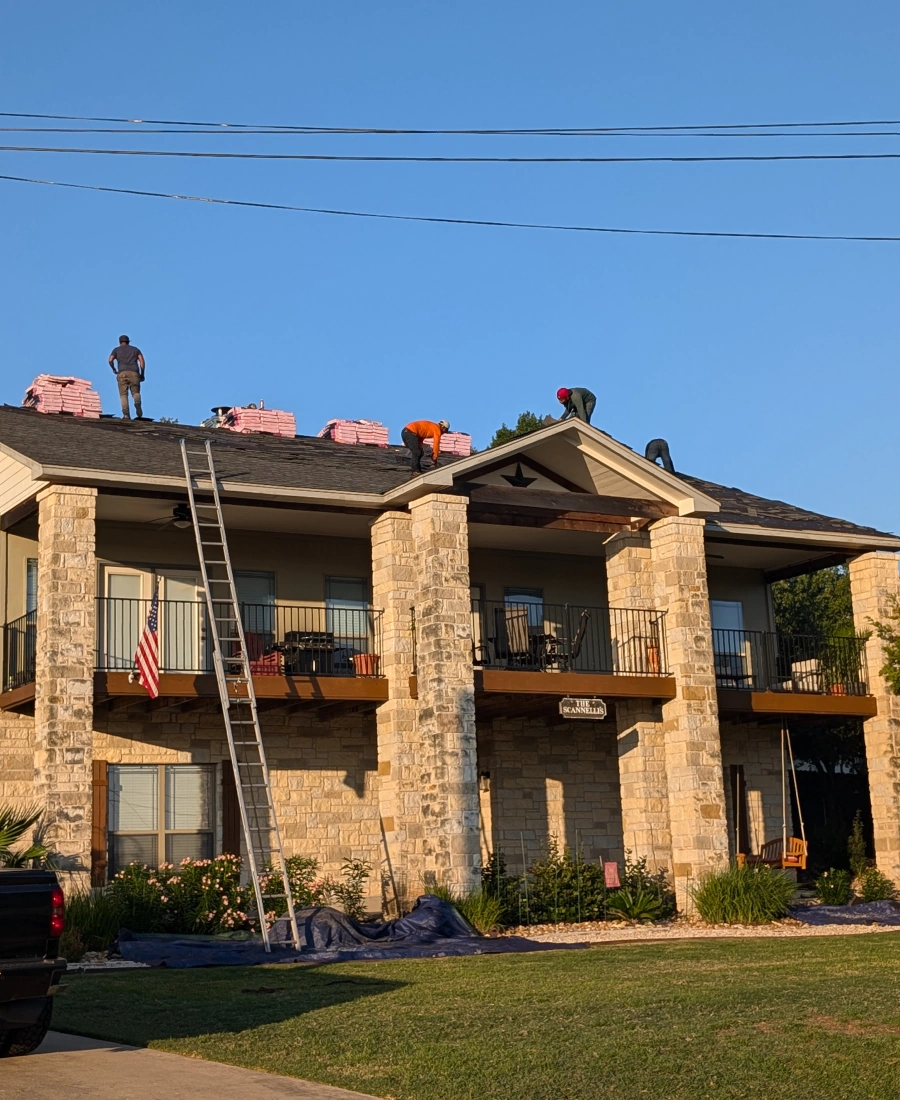
Maintaining a sturdy, weather-tight overhead boundary represents one of the most critical responsibilities of property ownership. As the primary defense against localized atmospheric elements, asphalt shingle roof systems continuously endure severe sunlight exposure, heavy rain, driving wind, and cyclical thermal expansion. Over time, even high-grade materials begin to demonstrate predictable signs of aging, mechanical wear, or structural degradation. When facing physical wear, property owners frequently ask whether targeted restoration will suffice or if complete system renewal is necessary. Understanding the subtle indicators of material failure, evaluating localized damage, and knowing when to schedule a professional assessment ensure that your building remains secure, energy-efficient, and structurally sound for decades to come.
Understanding the Fundamentals of Asphalt Shingle Systems
To evaluate whether your building requires localized attention or full system replacement, it helps to understand how modern asphalt shingles operate. Today’s architectural and dimensional shingles are engineered using multiple layers of fiberglass matting, asphalt coatings, and protective mineral granules. This multi-layer composition creates a tough, flexible shield that sheds water rapidly while reflecting harmful solar radiation. When properly installed over modern underlayments, starter strips, and ice and water shields, a high-quality asphalt roof provides dependable protection engineered to withstand extreme regional climates across Texas, Indiana, and South Carolina.
However, no material lasts forever. As years pass, natural weathering breaks down the petroleum compounds within asphalt, causing shingles to lose flexibility and structural integrity. Daily thermal cycles – where materials expand during daytime heat and contract as temperatures drop at night – gradually loosen mineral granules and weaken mechanical fasteners. Recognizing early signs of material aging allows homeowners to intervene before minor surface wear transforms into severe interior moisture intrusion.
Identifying Key Indicators of Shingle Wear and Damage
Evaluating an aging roof requires examining individual material components across the entire overhead structure. Homeowners who perform routine ground-level visual inspections or safely inspect their roofline should watch for several clear warning signs indicating that the structural envelope has been compromised.
1. Missing Shingles and Wind Uplift
High winds, localized storms, and severe updrafts can detach under-secured or aging asphalt sections from the roof deck. Discovering missing shingles creates an immediate hole in the primary water-shedding boundary. When shingles blow off, the underlying underlayment and wooden decking become directly exposed to precipitation, accelerated UV exposure, and rot. Leaving these bare spots unaddressed allows rainwater to migrate under neighboring courses, resulting in widespread adhesive failure and hidden deck rot.
2. Curling Shingles and Thermal Distortion
Observation of curling shingles is a clear sign that materials are approaching or past their intended service life. Shingle curling typically manifests in two distinct ways: cupping, where the center of the shingle remains flat while the outer edges turn upward; and clawing, where the edges stay flat but the center bulges outward. Thermal distortion usually stems from long-term weathering, loss of volatile asphalt binders, or inadequate attic ventilation that traps extreme heat beneath the roof deck. Curled shingles become brittle, highly susceptible to wind uplift, and lose their ability to channel water properly down the slope.
3. Damaged Roof Shingles, Cracking, and Hail Impact
Physical impacts from hail, fallen tree branches, or heavy foot traffic frequently leave damaged roof shingles scattered across vulnerable roof slopes. Hail strikes break the internal fiberglass matting and knock away surface granules, leaving dark spots where raw asphalt is exposed. Thermal cracking – visible as vertical or horizontal fissures running through individual tabs – signals that the shingle has lost its elasticity. Once structural cracking or impact fractures occur, moisture penetrates directly through the material layer during heavy rain events.
4. Granule Loss and Gutter Accumulation
Mineral granules shield the underlying asphalt from solar UV rays. While minor granule shedding is normal on brand-new roofs during initial installation, heavy granule accumulation in your gutters indicates advanced material degradation. As the protective granule layer strips away, raw asphalt is exposed to direct sunlight, accelerating cracking, shrinking, and premature failure.
Repair vs. Replacement: Making the Right Decision
Determining whether to perform a targeted spot repair or execute a thorough full replacement depends on several critical factors: the overall age of the roof, the extent of the damage, and the condition of the underlying wooden deck. Understanding these trade-offs helps property owners make practical, cost-effective decisions.
When Targeted Repair is Appropriate
Targeted repairs are ideal when damage is isolated to a specific area and the surrounding materials remain in good, resilient condition. If sudden storm winds strip away a few tabs on an otherwise healthy ten-year-old roof, performing a professional patch restores complete protection. Specific scenarios where localized repair works well include:
- Replacing isolated wind-blown or damaged units after a localized weather event using focused asphalt shingle repair techniques.
- Resealing compromised step flashing or counter flashing around chimneys, skylights, and sidewalls.
- Repairing small punctures caused by fallen tree branches or temporary roof fixtures.
- Refastening loose ridge cap shingles or replacing worn vent pipe boots.
When localized repairs are carried out promptly, technicians replace damaged units cleanly, evaluate underlying substrate integrity, and reset fasteners to maintain proper water shedding without forcing a major financial commitment.
When Full Replacement is Necessary
Spot repairs become impractical when underlying materials are worn out or structural failure spans multiple roof slopes. Continually patching an aging, brittle roof often wastes money without addressing fundamental structural weaknesses. Full replacement is necessary when:
- The existing shingle system is approaching or exceeds 20 years of continuous service.
- Widespread curling, physical distortion, or extensive granule loss extends across multiple roof facets.
- Widespread internal moisture leaks or hidden wooden decking rot affect structural framing.
- The cost of recurring spot repairs approaches a significant fraction of a full system upgrade.
In these scenarios, investing in a complete replacing roof shingles project ensures that all layers – including ice and water barriers, synthetic underlayments, starter courses, ridge vents, and drip edges – are renewed as a single, cohesive system.
Evaluating When to Replace Roof Shingles
Knowing exactly when to replace roof shingles requires looking beyond surface aesthetics. While visual blemishes are easy to spot, underlying structural conditions often dictate the true urgency of replacement. Considering key structural factors helps prevent catastrophic leaks before they disrupt your home or business.
1. Roof Age and Material Lifespan
Standard three-tab asphalt shingles generally provide reliable protection for 15 to 20 years, while architectural or dimensional shingles can last 25 to 30 years under optimal weather conditions. However, severe regional climate factors across Texas, Indiana, and South Carolina – such as intense summer heat waves, heavy winter snow, and high winds – can shorten effective service lifespans. If your roof is within three to five years of its expected expiration date and showing visible wear, planning a replacement is far wiser than waiting for major leaks to develop.
2. Decking Condition and Structural Integrity
A roof is only as strong as the deck beneath it. Prolonged water intrusion through compromised shingles rots plywood or OSB decking sheets, causing soft spots, sagging rooflines, and structural instability. During a full tear-off and installation, technicians remove all old materials down to the bare wooden substrate, inspect every sheet of decking, replace rotted plywood, and apply fresh protective underlayment to guarantee structural stability.
3. Attic Ventilation and Energy Efficiency
Inadequate attic ventilation traps superheated air beneath the roof deck in summer and retains excess moisture in winter. Heat buildup cooks asphalt shingles from underneath, causing premature blistering, curling, and thermal cracking. Upgrading your roof allows for complete optimization of intake soffit vents and exhaust ridge systems, regulating attic temperatures and lowering building cooling costs.
Exploring Additional Roofing Alternatives
While high-grade architectural shingles remain the most popular choice for residential properties, property owners evaluating a complete replacement may also consider alternative high-performance options tailored to specific architectural styles and climate challenges:
- Metal Roofing Solutions: For homeowners seeking decades of structural defense and high wind resistance, transitioning to modern metal roofing services or sleek standing seam metal roofing provides long-lasting durability, minimal maintenance, and superior energy efficiency.
- Stone-Coated Steel Systems: Property owners desiring the refined look of traditional tile or wood shake combined with the impact resistance of modern steel can explore premium Decra roofing installations.
- Low-Slope & Flat Sections: Residential additions, porches, and commercial structures with low-slope angles require specialized waterproof barriers, such as specialized flat roofing services, flexible rubber roof installation, or commercial-grade TPO roof installation and EPDM roof installation systems.
- Maintenance & Weatherproofing: Aging flat sections can often be restored using specialized roof waterproofing services to seal seams and extend service life without full tear-offs.
- Restoration & Support Services: Following severe weather events, scheduling storm damage roof repair or rapid emergency roofing services stabilizes sudden leaks before interior damage spreads. Completing your exterior protection with a reliable skylight installer or fresh gutter installation services ensures clean water management and daylighting integration.
The Importance of Professional Roof Evaluations
While ground-level observations offer valuable early clues, evaluating a complex roof system requires professional skill. Assessing pitch, inspecting flashing details around valleys and dormers, and probing underlayment integrity carry inherent safety risks and require specialized training. A qualified technician inspects subtle internal indicators that unassisted visual checks miss, helping you choose the most reliable and economical path forward.
By relying on systematic diagnostic methods, professional contractors identify whether spot repairs will safely extend your roof’s lifespan or if executing a full replacement is necessary to protect your property investment. Timely evaluation prevents minor surface wear from evolving into costly interior restoration projects, giving you total confidence in your building’s structural defense.
Conclusion
Recognizing the early warning signs of shingle breakdown, from missing tabs and curled edges to severe granule loss and impact cracking, allows property owners to make informed decisions about maintaining their roofing systems. Choosing between targeted spot repairs and complete material replacement ultimately depends on system age, overall structural condition, and the extent of damage across the roof deck. Timely intervention safeguards your property against moisture intrusion, optimizes energy efficiency, and preserves long-term curb appeal.
We make a difference by protecting what matters most – our customers’ homes, businesses, and confidence in their property. Guided by our founding core values and backed by nearly 20 years of structural skill, our team at O C Roofing Services delivers the right roof for the right price without sacrificing quality or craftsmanship. Whether we are executing a precision spot repair, restoring a building after severe weather, or completing a full system installation, we focus on delivering dependable, weather-tight protection engineered to withstand extreme regional climates. As a licensed, insured, and NRCA-member contractor operating dedicated local offices across Texas, Indiana, and South Carolina, we provide fast, responsive service, transparent communication, and streamlined support from start to finish. If you are noticing signs of wear or need a professional assessment, rely on our experienced team for top-grade architectural materials, precise installation techniques, and reliable service you can count on, call us today at (317) 869-9234, (864) 705-2514, or (512) 563-3240 for a free estimate and learn more about our available financing options.