Fast And Reliable Storm Damage Roof Repair Serving Texas, Indiana & South Carolina
Strong storms can leave hidden roof damage that leads to costly leaks if ignored. We inspect, repair, and restore storm-damaged roofs to help protect your home or business from further deterioration.
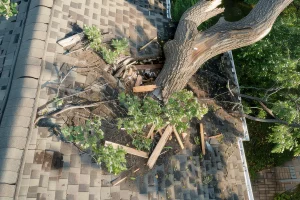
The Storm May Be Over, but the Damage Can Continue
Once the wind settles and the rain stops, many roofing problems remain out of sight. A few missing shingles, dented flashing, or damaged seals may not seem urgent from the ground, but even minor storm damage can create pathways for water to enter your property. Moisture trapped beneath the roofing system can weaken structural components, damage insulation, stain ceilings, and create repairs that become far more expensive than the original storm damage. Waiting too long also makes it more difficult to distinguish new storm damage from normal roof wear, which can complicate the restoration process.
Our storm damage roof repair service focuses on identifying every area affected by severe weather before small problems have the opportunity to grow. We perform a thorough roof inspection, evaluate shingles, flashing, underlayment, metal components, and roof penetrations, then document the condition of the roofing system to create a clear repair plan. Damaged materials are replaced with matching products that meet today’s performance standards while vulnerable areas are reinforced to restore the roof’s protective barrier. Backed by nearly 20 years of proven industry knowledge, our team works to restore your roof after wind, hail, heavy rain, and falling debris. Schedule a consultation to determine the condition of your roof after the next severe storm.
Find Every Issue Before It Leads to Bigger Repairs
Storms rarely damage just one part of a roof. While a missing shingle may be the most obvious issue, high winds and hail can also loosen flashing, break sealants, expose underlayment, and weaken areas that aren’t visible from the ground. That’s why storm damage roof repair begins with a complete evaluation rather than simply replacing what can be seen. Identifying hidden damage early helps stop moisture from reaching the structure below and reduces the likelihood of more extensive repairs later. Whether your property experienced hail, strong winds, or flying debris, a thorough inspection allows repairs to be completed before everyday weather causes additional deterioration.
Our team approaches every project methodically by examining the entire roofing system instead of focusing on a single damaged section. We document impacted areas, explain what we find, and recommend repairs based on the roof’s actual condition. Matching materials are selected whenever possible so completed repairs blend with the existing roof while restoring its ability to protect your property. The goal isn’t just to repair today’s damage but to strengthen vulnerable areas against future storms.
- A Complete Roof Evaluation: Every storm damage inspection includes a detailed assessment of shingles, flashing, roof penetrations, gutters, vents, and other critical components to identify visible and hidden damage before repairs begin.
- Repairs Tailored to the Type of Storm: Whether your roof needs wind damage roof repair after powerful gusts or hail damage roof repair following severe weather, repairs are completed using compatible materials that restore the roof’s protective surface.
- Documentation That Supports the Restoration Process: Careful records, photographs, and detailed findings help establish the scope of storm damage roofing, giving property owners a clear understanding of the repairs their roof requires.
- Focused Solutions That Preserve Your Roof: Professional roof restoration addresses damaged areas without replacing roofing materials that remain in good condition, helping extend the life of the existing roofing system whenever appropriate.
- Thorough Hail Assessments: A professional hail damage inspection identifies bruised shingles, impact marks, damaged flashing, and weakened roof components that could allow moisture to enter long after the storm has passed.
Signs Your Roof May Have Storm Damage
Storm damage isn’t always obvious after severe weather passes. While some roofing problems can be seen from the ground, many forms of damage remain hidden until water begins entering your home or business. Scheduling a professional inspection after a major storm allows small issues to be identified before they develop into larger, more expensive repairs. If you notice any of the following warning signs, your roof may have sustained storm damage.
- Missing Shingles: Strong winds can tear shingles away, exposing the underlayment and roof deck to moisture. Even a few missing shingles can leave your roof vulnerable to leaks if repairs are delayed.
- Lifted or Creased Shingles: Wind doesn’t always remove shingles completely. It can lift them enough to break their adhesive seal, allowing water to work beneath the roofing system during future storms.
- Hail Impacts: Hail can bruise asphalt shingles, loosen protective granules, dent metal roofing components, or crack other roofing materials. Much of this damage isn’t easily visible without a close inspection.
- Dented Flashing: Flashing around chimneys, vents, skylights, and roof valleys may become bent or dented during severe weather, creating openings where water can penetrate the roofing system.
- Damaged Gutters and Downspouts: Hail, falling branches, and flying debris can dent or loosen gutters, reducing their ability to move water safely away from your roof and foundation.
- Fallen Tree Limbs or Debris: Even small branches can damage shingles, flashing, or roof vents during a storm. Larger limbs may create structural damage that requires immediate attention.
- Interior Water Stains: Brown stains on ceilings or walls often indicate that water has entered the roofing system. These signs should never be ignored, even if the leak appears minor.
- Loose Roof Vents or Other Components: Storms can loosen roof vents, pipe boots, and other penetrations that help keep your roof watertight. Left unaddressed, these areas can become common sources of future leaks.
Not every roofing problem is visible from the ground, which is why a professional inspection is one of the most effective ways to determine whether your roof has been affected by severe weather. Early detection allows repairs to be completed before hidden damage leads to more extensive restoration work.
Our Storm Damage Roof Repair Process
After severe weather, restoring your roof requires more than replacing a few damaged shingles. A thorough repair process helps identify hidden damage, restore the roof’s protective barrier, and reduce the risk of future problems. At O C Roofing Services, we follow a detailed process designed to return your roofing system to working condition as efficiently as possible.
Every project begins with a comprehensive roof inspection. Our team carefully examines shingles, flashing, roof penetrations, valleys, gutters, vents, and other critical components to identify both visible and hidden storm damage. This detailed evaluation helps determine the full extent of the repairs your roof requires.
Once the inspection is complete, we perform damage documentation, recording affected areas with detailed notes and photographs. This provides a clear understanding of the roof’s condition and allows us to explain our repair recommendations with confidence.
If the storm has left your roof vulnerable to additional weather exposure, we provide emergency protection whenever necessary. Temporary measures may be used to help limit further water intrusion while permanent repairs are scheduled and completed.
Before repairs begin, we carefully complete material matching by selecting replacement shingles, flashing, and roofing components that closely match your existing roof whenever possible. This helps maintain the appearance of your roofing system while restoring its protective performance.
Next, we perform the required roof repairs, replacing damaged shingles, repairing impacted roof sections, securing loose components, and restoring areas affected by wind, hail, heavy rain, or flying debris. Every repair is completed using quality materials and proven installation methods.
Where necessary, we also complete flashing replacement around chimneys, skylights, roof vents, valleys, and other transition points that commonly experience storm-related damage. Proper flashing installation helps prevent future moisture intrusion and strengthens the overall roofing system.
Before the project is complete, we conduct a thorough final inspection to verify that every repair has been completed correctly and that your roof is prepared to continue protecting your home or business. Our goal is to provide dependable repairs that restore confidence in your roofing system long after the storm has passed.
Storm Damage We Commonly Repair
Every storm affects roofing systems differently. High winds, hail, heavy rain, and airborne debris can each create unique forms of damage that may not always be visible immediately after the weather clears. At O C Roofing Services, we perform comprehensive inspections to identify the full extent of storm-related damage before recommending the repairs needed to restore your roof’s protection.
- Wind Damage: Strong winds can lift, crease, loosen, or completely remove shingles, exposing the underlayment and roof deck to moisture. Wind may also loosen flashing, ridge caps, and roof vents, creating openings where water can enter during future storms.
- Hail Damage: Hail can bruise asphalt shingles, remove protective granules, dent metal roofing components, and weaken roofing materials without creating obvious holes. Left unrepaired, these impacts can shorten the lifespan of the roofing system and increase the likelihood of leaks.
- Heavy Rain: Prolonged rainfall can reveal weaknesses in aging roofs by allowing water to penetrate damaged shingles, deteriorated flashing, or compromised sealants. Prompt repairs help restore the roof’s waterproof barrier before moisture causes additional structural damage.
- Fallen Branches: Tree limbs and large branches can crack shingles, damage flashing, puncture roofing materials, or impact the roof structure itself. Even seemingly minor impacts should be professionally evaluated to ensure hidden damage has not occurred.
- Flying Debris: Storm-driven debris such as branches, outdoor furniture, or other objects can strike the roof with significant force, causing localized damage that may require immediate repair to prevent water intrusion.
- Flashing Damage: Flashing protects vulnerable areas around chimneys, skylights, roof vents, valleys, and wall transitions. Storms can bend, loosen, or separate flashing, allowing moisture to reach areas that would otherwise remain protected.
- Gutter Damage: Gutters and downspouts play an important role in directing water away from your roof and foundation. Storms can dent, pull loose, clog, or misalign these components, reducing drainage efficiency and increasing the risk of water-related roofing problems.
Regardless of the type of storm your property experiences, a professional inspection allows hidden damage to be identified early, helping restore your roof before minor issues become major repairs.
Your Roof Protected the Property. Now It’s Time to Protect the Roof.
Severe weather doesn’t always leave obvious signs behind. Wind can loosen shingles without tearing them away, hail can bruise roofing materials without creating immediate leaks, and driving rain can find its way into the smallest openings. Those hidden problems often continue to worsen long after the skies clear, allowing moisture to reach the roof deck and interior of the building. Acting quickly after a storm gives you the opportunity to address damage while repairs are still straightforward and before small concerns become major restoration projects.
A professional assessment provides the information you need to make confident decisions about your roof. Our team carefully examines every area affected by the storm, documents the damage, and explains the condition of your roofing system in clear, straightforward terms. We repair damaged components using quality materials that blend with the existing roof while restoring its ability to withstand future weather events. Whether the damage is limited to a few shingles or affects multiple roofing components, our goal is to return your roof to reliable working condition with workmanship backed by nearly 20 years of professional roofing background. When you need storm damage roof repair, O C Roofing Services is the trusted choice for homeowners and businesses throughout our service areas.
Frequently Asked Questions About Storm Damage Roof Repair
Storm damage isn’t always easy to recognize from the ground. These answers explain what to look for and why a professional inspection is an important first step after severe weather.
-
Some signs are easy to spot, such as missing shingles or fallen tree limbs, while others require a closer inspection. Hail can bruise shingles without creating visible holes, and strong winds may loosen flashing or lift roofing materials enough to allow water underneath. A professional inspection helps identify both visible and hidden damage before it leads to larger repairs.
-
Yes. Many roofs continue to keep water out immediately after a storm even though damage has already occurred. Small issues can remain unnoticed until the next heavy rainfall, giving moisture time to affect the roof deck, insulation, or interior of the property. An inspection helps uncover those concerns early.
-
In many cases, yes. If the damage is limited to specific sections and the surrounding roofing materials remain in good condition, targeted repairs may restore the roof without requiring a full replacement. The best solution depends on the extent of the damage and the overall condition of the roofing system.
-
High winds, hail, heavy rain, falling branches, and wind-driven debris are among the most common causes of roofing damage. Each type of storm affects roofing materials differently, which is why a thorough inspection is important for identifying all impacted areas after severe weather passes.
-
As soon as possible. Delaying repairs allows water to enter through damaged areas, increasing the risk of interior damage, mold growth, wood deterioration, and more extensive roofing repairs. Prompt action helps preserve the condition of your roof and can reduce the overall scope of the restoration work.
Get Answers Before the Next Storm Arrives
Not every storm leaves obvious damage. Schedule a free estimate to learn what your roof needs now and avoid surprises when the next round of severe weather hits.