Emergency Roofing Services In Texas, Indiana & South Carolina To Stop Active Leaks
An unexpected roof failure can quickly put your property at risk. We respond with emergency roofing services that help control active leaks, secure damaged areas, and prepare your roof for lasting repairs across Texas, Indiana, and South Carolina.
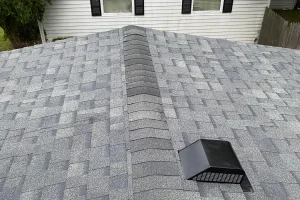
Don’t Let a Small Roof Emergency Turn Into Major Property Damage
A damaged roof doesn’t wait for a convenient time to fail. Whether a tree branch has punctured the roof, strong winds have torn away shingles, or a sudden leak is allowing water inside, every minute counts. Water can spread through insulation, ceilings, walls, and electrical systems long before the full extent of the damage becomes visible. Acting quickly helps reduce further deterioration, protects valuable belongings, and creates a safer environment while permanent repairs are planned.
Our emergency roofing services are designed to stabilize your roof as quickly as possible after unexpected damage occurs. We locate the source of active water intrusion, install protective measures such as temporary coverings or sealing systems when needed, and evaluate the condition of the entire roofing structure before recommending permanent repairs. Once the immediate threat has been contained, we restore damaged roofing materials using solutions that match your existing system and reinforce vulnerable areas against future weather. Backed by nearly 20 years of reliable structural knowledge, O C Roofing Services provides fast, practical roofing solutions for homeowners and businesses throughout Texas, Indiana, and South Carolina when urgent situations demand immediate attention.
Fast Action Can Save Your Roof and Your Property
When water is actively entering a building, delaying repairs can allow damage to spread far beyond the roof itself. Ceiling materials may become saturated, insulation can lose its effectiveness, wood framing may begin to deteriorate, and electrical components can be exposed to moisture. That’s why emergency roofing services focus first on controlling the immediate problem before permanent restoration begins. A rapid response limits additional damage while creating a safer environment for everyone inside the property.
Every emergency is different, so our team evaluates the condition of the roof before deciding on the safest and most effective course of action. Temporary protective measures are installed where necessary, followed by a detailed assessment that identifies the repairs required to restore the roof’s full performance. Throughout the process, we explain what we’re doing, why it’s needed, and what comes next so you can make informed decisions without unnecessary stress.
- Immediate Response for Active Leaks: Whether you’re dealing with an unexpected roof leak emergency or visible storm damage, we work quickly to reduce water intrusion and protect the interior of your property from further damage.
- Temporary Protection Until Permanent Repairs: When conditions prevent immediate reconstruction, temporary roof repair solutions help secure vulnerable areas and reduce additional exposure until permanent work can safely begin.
- Emergency Leak Containment: Our emergency roof leak repair process focuses on locating the source of water entry, stopping active leaks, and protecting surrounding roofing components from continued deterioration.
- Roof Tarp Installation After Severe Damage: When sections of the roof have been compromised by storms, fallen debris, or sudden failures, emergency roof tarping provides a durable protective barrier while permanent repairs are scheduled.
- Repairs Built for Long-Term Performance: Once the roof has been stabilized, we complete the necessary emergency roof repair using quality materials that restore structural integrity and help your roofing system withstand future weather events. When urgent situations require immediate attention, our team is prepared to deliver urgent roof repair solutions for homes and businesses across our local service areas.
When to Call for Emergency Roof Repair
Not every roofing problem requires immediate attention, but some situations simply can’t wait. A damaged roof can allow water to spread quickly through your home or commercial property, affecting insulation, ceilings, walls, electrical systems, and structural components. Knowing when to call for emergency roof repair can help limit additional damage and protect your property until permanent repairs can be completed.
One of the clearest signs you need emergency service is an active roof leak. Water entering your property during or after a storm should be addressed as quickly as possible to reduce the risk of interior damage and mold growth.
If you notice missing sections of roofing, whether shingles, metal panels, or membrane materials, your roof’s protective barrier has been compromised. Exposed areas allow rain and wind to reach the roof deck, increasing the likelihood of extensive damage if left unattended.
Fallen tree limbs or large debris resting on the roof should also be treated as an emergency. Even if the damage appears limited from the ground, the impact may have weakened structural components or punctured the roofing system.
A sagging roof is another warning sign that requires immediate professional attention. Sagging can indicate trapped moisture, structural deterioration, or excessive weight that could lead to more serious structural problems.
Inside your property, water stains on ceilings or walls often indicate that moisture has already entered the roofing system. Likewise, exposed roof decking or daylight visible through the roof means the roofing system is no longer providing adequate protection.
After severe weather, storm damage may not always be obvious. Wind, hail, and flying debris can create hidden damage that continues to worsen with every rainfall.
Responding quickly to these warning signs helps minimize additional property damage, reduces repair costs, and gives your roofing system the best opportunity to be restored before small problems become major structural concerns.
Our Emergency Roof Repair Process
Roof emergencies require a fast, organized response to protect your property and restore your roofing system safely. At O C Roofing Services, we follow a proven emergency repair process that focuses on stopping additional damage first before completing lasting repairs that restore your roof’s performance.
Our process begins with a prompt emergency response. Once we receive your call, our team works quickly to assess the situation and respond as soon as conditions safely allow. The priority is protecting your home or business from continued exposure to the elements.
Upon arrival, we perform a detailed roof inspection to identify visible and hidden damage. We examine roofing materials, flashing, roof penetrations, gutters, structural components, and any areas where water may be entering the building.
Following the inspection, we complete a thorough damage assessment to determine the extent of the emergency and develop the most appropriate repair strategy. We clearly explain our findings so you understand both the immediate concerns and any additional repairs that may be recommended.
When immediate repairs cannot safely be completed, we install temporary protection using emergency roof tarping, temporary sealing methods, or other protective measures to shield vulnerable areas from further weather exposure.
Next, we focus on water intrusion control by locating the source of active leaks and reducing additional moisture from entering the roofing system whenever possible. Acting quickly during this stage helps protect insulation, ceilings, walls, and structural components from ongoing damage.
Once the roof has been stabilized, we prepare a plan for permanent repairs. This includes selecting compatible materials, explaining the repair process, and scheduling the work needed to restore your roofing system’s full performance.
Our team then completes the necessary roof restoration, replacing damaged roofing materials, repairing flashing, restoring weatherproofing, and reinforcing affected areas using quality materials and proven installation methods.
Before the project is complete, we conduct a comprehensive final inspection to verify that every repair has been completed correctly and that your roof is once again prepared to protect your property from future weather conditions.
The Immediate Emergency May End, but the Work Isn’t Finished
Stopping an active leak is only the first step toward restoring your roof. Water can travel well beyond the point where it entered, soaking insulation, weakening roof decking, and affecting other structural components before the damage becomes visible. Once the immediate threat has been contained, it’s important to evaluate the entire roofing system to uncover any hidden issues that could shorten the life of your roof or create new leaks in the future. Addressing every affected area now helps restore the roof’s strength and reduces the likelihood of unexpected problems later.
Our team follows every emergency response with a detailed assessment and a clear repair strategy. We identify damaged materials, explain the condition of the roof in straightforward terms, and recommend the repairs needed to restore full weather resistance. From replacing compromised shingles and flashing to repairing punctures or damaged roof sections, every repair is completed with materials that complement the existing roofing system. Whether your property was affected by severe weather, falling debris, or an unexpected roof failure, O C Roofing Services provides emergency roofing services that help return your roof to prime condition throughout our service areas.
What to Do If Your Roof Is Damaged
Discovering roof damage can be stressful, especially during severe weather or when water is actively entering your home or business. Taking the right steps immediately after the damage occurs can help protect your property while reducing the risk of additional problems before professional repairs begin.
First, stay off the roof. Damaged roofing materials, weakened decking, wet surfaces, and hidden structural issues can make walking on the roof extremely dangerous. It’s always safest to remain on the ground and allow trained roofing professionals to inspect the damage.
If water is entering the building, protect your belongings by moving furniture, electronics, important documents, and other valuable items away from the affected area whenever it is safe to do so. Reducing exposure to water can help prevent additional property damage.
Next, contain interior leaks by placing buckets, towels, or waterproof containers beneath active drips to collect water and help minimize damage to flooring and interior finishes. If ceiling materials begin to bulge with trapped water, avoid standing beneath them and seek professional assistance immediately.
If conditions are safe, document any visible damage by taking photographs of missing shingles, fallen tree limbs, damaged gutters, interior water stains, or other storm-related issues. These photos can be useful for understanding the condition of the roof before repairs begin.
Finally, contact a professional emergency roofing contractor as soon as possible. Prompt emergency roofing services help stabilize the roof, limit additional water intrusion, and create a clear plan for permanent repairs. Acting quickly can often reduce the overall extent of the damage while helping restore your property’s protection before the next storm arrives.
Frequently Asked Questions About Emergency Roofing Services
Roof emergencies often happen without warning, leaving property owners unsure of what to do next. These answers explain how emergency roofing services help protect your home or business until permanent repairs are completed.
-
A roofing emergency includes any situation where the roof can no longer keep water out or has suffered sudden structural damage. Common examples include severe leaks, storm damage, fallen tree limbs, missing roofing sections, or punctures that expose the interior of the building.
-
The first priority is stopping additional water intrusion. Damaged areas are evaluated, temporary protective measures are installed when needed, and the roof is inspected to determine the scope of permanent repairs required to restore the roofing system.
-
Temporary repairs are designed to stabilize the situation and reduce additional damage until permanent work can be completed. While they provide valuable short-term protection, lasting repairs are necessary to fully restore the roof’s weather resistance and structural performance.
-
Yes. Walking on a damaged roof can be dangerous, especially if the decking has been weakened or roofing materials have become loose. It’s safer to remain on the ground and have the roof inspected by trained professionals with the proper equipment.
-
Yes. Quickly controlling water entry helps reduce damage to ceilings, walls, insulation, flooring, and electrical systems. Responding promptly often limits the overall extent of repairs needed throughout the property.
Take Control of the Situation Before Damage Spreads
Roof emergencies demand quick decisions. Schedule your free estimate today and let our team secure the damage before it has the chance to affect more of your property.