Protect Your Property With Durable Rubber Roof Installation in Texas, Indiana & South Carolina
Keep your low-slope roof protected with a flexible, weather-resistant roofing system built to last. Our rubber roof installation delivers waterproofing, energy efficiency, and long-term performance for homes and commercial properties.
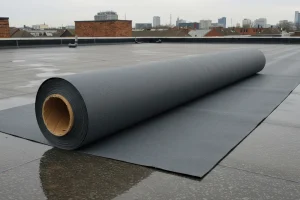
Install a Flexible Roofing System Built to Resist the Elements
Flat and low-slope roofs require specialized materials that can withstand standing water, changing temperatures, and constant exposure to the elements. Traditional roofing products may crack, separate, or deteriorate over time, allowing moisture to penetrate the roofing system and damage insulation, roof decking, and interior spaces. When these problems are ignored, repairs often become more extensive and expensive, reducing the overall lifespan of the roof while increasing maintenance costs.
Our rubber roof installation service provides a durable solution specifically designed for low-slope roofing applications. We begin by evaluating the existing roof structure and preparing a smooth, stable substrate before installing a premium rubber membrane using manufacturer-approved adhesives or mechanical fastening systems. Every seam is carefully sealed, and flashing around roof penetrations, edges, and walls is completed to create a continuous waterproof barrier. Backed by nearly 20 years of reliable structural knowledge, our team installs rubber roofing systems that offer outstanding flexibility, leak resistance, and long-lasting performance. Schedule a consultation today to learn how rubber roof installation can provide reliable protection for your residential or commercial property.
Flexible Protection for Low-Slope Roofs
Not every roofing material can handle the constant expansion, contraction, and moisture exposure that comes with a flat or low-slope roof. That’s where rubber roof installation stands apart. Designed to remain flexible through changing temperatures, rubber roofing forms a durable waterproof membrane that adapts to movement without becoming brittle or separating over time. Whether you’re protecting a home addition, garage, office, or commercial facility, this roofing solution delivers performance with minimal maintenance and excellent long-term value.
Our installation process focuses on precision from the very beginning. After inspecting the roof structure, we prepare the substrate to create a clean, even surface before installing the membrane according to manufacturer specifications. Each seam is reinforced, flashing is carefully integrated around penetrations and edges, and drainage details are completed to help water leave the roof efficiently. The result is a roofing system built to resist weather, reduce maintenance concerns, and provide protection for years to come.
- Engineered to Move With Your Roof: EPDM rubber roofing remains flexible through seasonal temperature changes, allowing the membrane to expand and contract naturally without cracking, splitting, or compromising its waterproof performance over time.
- An Ideal Solution for Low-Slope Designs: Whether you’re installing a roof on a home addition or a commercial building, low slope roofing benefits from a seamless membrane that helps prevent standing water from finding its way beneath the roofing system.
- Reliable Performance for Every Property: From commercial rubber roofing on office buildings and warehouses to residential rubber roofing on garages and modern homes, rubber membranes provide weather protection with minimal ongoing maintenance.
- A Practical Alternative to Frequent Repairs: When recurring leaks or aging materials continue to create problems, a complete rubber roof replacement can restore the integrity of your roofing system while improving durability and reducing future maintenance costs.
- Installed With Attention to Every Detail: An experienced rubber roof installer carefully prepares the roof deck, secures every membrane section, reinforces seams, and completes flashing around roof penetrations to create a continuous barrier against moisture and everyday weather exposure.
Why Property Owners Choose Rubber Roofing
Rubber roofing has become one of the most trusted solutions for flat and low-slope roofs because it combines exceptional durability with long-term flexibility. Unlike rigid roofing materials that may crack or separate as temperatures fluctuate, EPDM rubber roofing is designed to expand and contract naturally with the building. This flexibility helps the membrane maintain its protective seal throughout seasonal weather changes, reducing stress on the roofing system and helping prevent premature deterioration.
One of the greatest advantages of rubber roofing is its outstanding waterproof performance. EPDM membranes create a continuous barrier that helps keep moisture from penetrating the roof deck, making them an excellent choice for buildings where standing water and slow drainage are common concerns. When professionally installed and properly sealed around seams, flashing, and roof penetrations, rubber roofing provides dependable protection against leaks and water intrusion.
Rubber roofing also performs exceptionally well under prolonged exposure to sunlight. Its UV-resistant properties help the membrane withstand years of direct sun without becoming brittle or breaking down as quickly as some traditional roofing materials. Combined with proper insulation, rubber roofing can also contribute to improved energy efficiency by helping regulate indoor temperatures and reducing heat transfer through the roof assembly.
Another reason many property owners choose rubber roofing is its low maintenance requirements. Routine inspections, debris removal, and occasional preventative maintenance are often all that’s needed to keep the system performing at its best. With professional installation and proper care, a rubber roof can provide decades of reliable service, making it a practical investment for both residential and commercial properties.
Because of its flexibility, durability, and dependable waterproofing capabilities, EPDM rubber roofing is especially well suited for flat and low-slope roof designs. Whether protecting a commercial facility or a residential addition, it delivers long-lasting performance while helping reduce future maintenance concerns.
Ideal Applications for Rubber Roof Installation
Rubber roofing is designed specifically for buildings with flat or low-slope roof designs where reliable waterproofing and long-term durability are essential. Its flexible membrane adapts to changing temperatures while creating a continuous barrier against moisture, making it a dependable roofing solution for a wide variety of residential and commercial properties.
Commercial buildings often benefit from rubber roof installation because EPDM membranes provide dependable protection across large roof surfaces while accommodating rooftop HVAC equipment and other mechanical systems. Office buildings also benefit from the membrane’s durability and low maintenance requirements, allowing business owners to protect their investment with minimal disruption over the life of the roof.
Warehouses frequently use rubber roofing because it performs well on expansive low-slope structures that require consistent waterproof protection and reliable long-term performance. The membrane’s flexibility allows it to withstand seasonal expansion and contraction while helping maintain a watertight seal across large roof areas.
Rubber roofing is equally effective for residential applications. Homeowners often choose EPDM roofing for garages, home additions, enclosed porches, and workshops where traditional roofing materials may not perform as effectively on low-slope designs. It’s also a popular choice for apartment buildings and modern homes that feature contemporary flat roof architecture, providing durable weather protection without requiring extensive maintenance.
Whether you’re protecting a commercial property or enhancing your home’s low-slope roof, rubber roofing offers a versatile solution that combines flexibility, waterproofing, and lasting performance. Our team evaluates your property’s design, drainage requirements, and long-term goals to recommend the rubber roofing system best suited for your project.
A Roofing Solution That Keeps Working Year After Year
When you invest in rubber roof installation, you’re choosing a roofing system that’s designed to perform in conditions where many traditional materials struggle. Its flexible membrane resists cracking during temperature swings, withstands prolonged UV exposure, and creates a barrier against water intrusion. That combination makes rubber roofing an excellent choice for low-slope applications where long-term waterproofing is essential. Instead of worrying about recurring leaks or premature wear, you can enjoy a roofing system that’s built to adapt to changing weather while protecting the structure beneath it.
Every property has different roofing requirements, which is why we never approach projects with a one-size-fits-all mindset. Our team evaluates the building’s layout, drainage design, and intended use before recommending the most suitable installation method. From preparing the substrate to sealing every seam and flashing detail, each phase is completed with precision to help maximize durability and performance. The result is a roofing system that’s built to handle everyday weather while requiring minimal maintenance over the years. Whether your project involves a new roof or replacing an aging membrane, O C Roofing Services delivers rubber roof installation for residential and commercial properties across the three states we serve.
Frequently Asked Questions About Rubber Roof Installation
Rubber roofing is a popular solution for flat and low-slope roofs because of its flexibility, durability, and long service life. Below are answers to questions we commonly receive about rubber roof installation.
-
Rubber roofing creates a continuous waterproof membrane that performs exceptionally well on low-slope surfaces where water drains more slowly than on steep roofs. Its flexibility allows it to adapt to seasonal movement while helping protect the building from leaks, UV exposure, and everyday weather conditions.
-
A professionally installed rubber roof can provide decades of performance when paired with routine inspections and proper maintenance. The lifespan depends on the membrane type, installation quality, and environmental conditions, but rubber roofing is widely recognized as one of the most durable options for low-slope applications.
-
Yes. While rubber roofing is common on commercial buildings, it’s also an excellent choice for residential additions, garages, porches, workshops, and modern homes with flat or low-slope roof designs. It offers reliable weather protection while requiring very little ongoing maintenance.
-
Rubber roofing is designed to be low maintenance. Periodic inspections, debris removal, and prompt attention to any accidental damage can help maximize its lifespan. Keeping drains clear and checking flashing after severe weather also helps maintain the roof’s waterproof performance.
-
Installation begins with preparing a clean, stable roof deck before positioning the rubber membrane. The material is secured using manufacturer-approved adhesives or fastening systems, while seams are reinforced with specialized tapes and flashing materials. This creates a continuous, weather-resistant surface designed to provide protection for years.
Discover a Durable Roofing Option That Fits Your Budget
Explore a flexible roofing system built for lasting performance and ask about financing options that can help you move forward with confidence.