Build Lasting Protection With EPDM Roof Installation in Texas, Indiana & South Carolina
When your property needs a roofing system that stands up to changing weather and years of exposure, EPDM delivers proven performance. We install durable EPDM membranes for low-slope roofs that are built to resist moisture, sunlight, and temperature extremes.
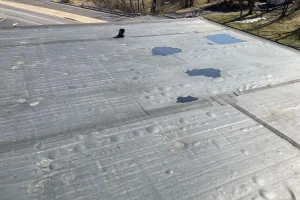
Built to Handle the Weather Year After Year
Low-slope roofs face challenges that steep roofs rarely experience. Water drains more slowly, sunlight continuously heats the membrane, and seasonal temperature swings cause roofing materials to expand and contract. If the roofing system cannot handle those conditions, seams may weaken, moisture can work its way beneath the surface, and small issues often grow into expensive repairs that interrupt your business or affect your home’s interior. Choosing the right roofing material from the beginning helps avoid unnecessary maintenance while protecting the structure below.
Our EPDM roof installation service provides a time-tested roofing solution trusted for its durability and resistance to harsh environmental conditions. We begin by evaluating the roof deck and drainage layout before preparing the substrate for installation. Wide EPDM membrane sheets are carefully positioned to reduce seam exposure, then secured using the installation method most appropriate for your building. Every flashing detail, roof penetration, and perimeter edge is sealed with compatible EPDM materials to create a continuous waterproof barrier. Backed by nearly 20 years of hands-on roofing experience, our team delivers roofing systems designed to perform through years of sun, rain, freezing temperatures, and everyday weather exposure. Schedule a consultation to find out if EPDM roof installation is the right solution for your property.
Performance Proven Through Decades of Service
Some roofing systems are selected because they’re new. Others earn their reputation by consistently performing year after year in demanding conditions. EPDM roof installation has remained one of the most trusted solutions for low-slope roofs because the material is engineered to resist prolonged UV exposure, ozone, heavy rain, freezing temperatures, and daily thermal movement without becoming brittle. Its wide membrane sheets also reduce the number of field seams across the roof, creating a cleaner installation that helps limit opportunities for moisture intrusion. For building owners who value durability over frequent repairs, EPDM continues to be a practical long-term investment.
A successful installation depends on more than simply rolling out a membrane. Our process begins with evaluating the roof deck, insulation, and drainage layout to ensure the roofing system is installed on a solid foundation. Once the surface is prepared, the membrane is positioned, secured, and every seam is cleaned, primed, and sealed according to manufacturer specifications. Flashing around roof penetrations, parapet walls, and edge details receives the same level of attention because these transition points play an important role in the overall performance of the roof.
- Designed for Long-Span Coverage: Wide sheets of flat roof membrane reduce the number of field seams across the roof surface, creating a cleaner installation that helps improve water resistance while simplifying future maintenance.
- Built to Handle Extreme Weather: Rubber membrane roofing remains flexible through intense summer heat, freezing winter temperatures, heavy rainfall, and prolonged UV exposure, helping protect the roof from premature cracking and weather-related deterioration.
- A Trusted Choice for Commercial Properties: Commercial EPDM roofing provides reliable protection for warehouses, office buildings, retail centers, schools, and industrial facilities where long-lasting waterproof performance and straightforward maintenance are priorities.
- Roofing Systems That Match Your Building: Every EPDM roof systems installation is selected according to your property’s size, drainage requirements, insulation design, and structural needs, allowing the completed roof to perform efficiently for many years.
- An Upgrade That Reduces Future Maintenance: Whether you’re planning an EPDM roof replacement or installing a roof on new construction, working with an experienced EPDM roofer for professional EPDM roofing services helps create a durable roofing system designed for long-term value.
EPDM Roofing vs. TPO Roofing
EPDM and TPO are two of the most used roofing systems for flat and low-slope buildings. Both provide waterproofing and long-lasting performance, but each offers unique advantages depending on your building’s design, energy goals, and environmental conditions. Understanding the differences between these roofing systems can help you select the option that best supports your property’s long-term needs.
One of the most noticeable differences is the membrane color. EPDM roofing is traditionally manufactured in black, allowing it to absorb heat during cooler weather. This can be beneficial in colder climates or buildings where retaining warmth is desirable. TPO roofing, on the other hand, is commonly available with a highly reflective white surface that helps reduce solar heat absorption, making it a popular choice for buildings focused on improving energy efficiency during warmer months.
EPDM is widely recognized for its exceptional flexibility. Its synthetic rubber membrane naturally expands and contracts with seasonal temperature changes, helping it withstand thermal movement without becoming brittle or cracking. TPO membranes are also flexible but are often selected for their combination of durability and reflective performance rather than maximum elasticity.
The two systems also differ in seam construction. EPDM membranes are typically joined using manufacturer-approved primers, seam tapes, and adhesives that create durable waterproof connections. TPO roofing utilizes specialized hot-air welding, permanently fusing membrane seams into a continuous waterproof barrier with exceptional strength.
Both roofing systems require relatively little maintenance when professionally installed, with routine inspections and prompt repairs helping maximize their lifespan. The best choice often depends on your property’s specific needs. EPDM is an excellent solution for buildings that require outstanding flexibility and proven long-term weather resistance, while TPO is often preferred by owners seeking a reflective roofing system that supports improved energy efficiency. During your consultation, we’ll evaluate your property and recommend the roofing system that aligns with your building’s structure, performance goals, and budget.
Common Problems EPDM Roofing Helps Prevent
A professionally installed EPDM roofing system is designed to protect low-slope buildings from many of the common issues that affect aging or poorly installed roofs. Its durable synthetic rubber membrane, combined with carefully sealed seams and flashing details, creates a dependable barrier against moisture while helping extend the life of your roofing system.
One of the primary benefits of EPDM roofing is its ability to help prevent roof leaks. Wide membrane sheets reduce the number of field seams across the roof, limiting potential entry points for water. Proper installation around roof penetrations, drains, and perimeter edges further strengthens the system’s waterproof performance.
Professional installation also helps reduce the likelihood of seam failure. Every seam is carefully cleaned, prepared, and sealed using manufacturer-approved materials to create strong, durable connections that resist moisture intrusion and maintain long-term performance.
EPDM membranes are engineered to withstand years of ultraviolet (UV) exposure without deteriorating as quickly as many traditional roofing materials. Their excellent resistance to sunlight and ozone helps preserve flexibility and structural integrity through changing weather conditions.
Because EPDM remains flexible during seasonal temperature changes, it also helps minimize the risk of thermal cracking. Instead of becoming brittle as temperatures fluctuate, the membrane expands and contracts naturally with the building, reducing stress on the roofing system.
Although no flat roof is completely immune to ponding water, a properly designed drainage system combined with professional EPDM installation helps move water efficiently toward drains, scuppers, or gutters. This reduces prolonged moisture exposure that could otherwise shorten the roof’s lifespan.
EPDM roofing is also an excellent solution for aging flat roofs that have reached the end of their service life. Replacing deteriorated roofing materials with a professionally installed EPDM membrane restores waterproof protection while reducing future maintenance concerns. By combining quality materials with precise installation techniques, we help create a roofing system built to perform reliably for many years.
Make Your Next Roof Your Longest-Lasting One
Roofing decisions are often driven by the cost of today’s project, but long-term value comes from choosing a system that continues to perform long after installation is complete. EPDM roof installation has earned its reputation by providing reliable waterproof protection through decades of changing weather conditions. Its ability to resist ultraviolet rays, ozone exposure, heavy rainfall, and freezing temperatures makes it a practical option for property owners who want a roofing system that requires little attention once it’s in place. With fewer seams than many traditional low-slope roofing materials, EPDM also minimizes vulnerable areas where moisture could otherwise work its way beneath the membrane.
Whether you’re managing a commercial facility or improving a residential property, selecting the right roofing material starts with understanding how the building will be used and the conditions it faces every day. That’s why we take the time to evaluate drainage, roof layout, and structural requirements before recommending the most suitable installation method. Every membrane, seam, flashing detail, and termination point is completed with precision to help maximize the lifespan of the finished roof. If you’re looking for a proven solution that delivers lasting protection without unnecessary complexity, O C Roofing Services is the trusted choice for EPDM roof installation in your local community.
Frequently Asked Questions About EPDM Installation
EPDM has been used on low-slope roofs for decades because of its durability and ability to withstand challenging weather conditions. Here are answers to questions we often hear from property owners considering EPDM roof installation.
-
EPDM is a synthetic rubber membrane designed for low-slope roofing applications. The material is manufactured to resist ultraviolet light, ozone, moisture, and temperature fluctuations while remaining flexible throughout its service life. These qualities make it a solution for both residential and commercial buildings.
-
Many commercial property owners choose EPDM because it covers large roof areas efficiently, requires relatively little maintenance, and performs well in a variety of climates. Its wide membrane sheets reduce the number of seams, while its weather resistance helps protect the building from long-term moisture intrusion.
-
When professionally installed and maintained, an EPDM roofing system can provide decades of service. Regular inspections, keeping drainage systems clear, and repairing accidental damage promptly all contribute to maximizing the roof’s lifespan and maintaining its waterproof performance.
-
Yes. Localized damage can often be repaired using compatible EPDM patches and manufacturer-approved repair materials. Addressing small punctures or seam issues early helps prevent moisture from spreading beneath the membrane and protects the surrounding roofing system.
-
Absolutely. While EPDM is commonly associated with commercial buildings, it is also an excellent choice for residential additions, garages, porches, and modern homes with low-slope roof designs. Its flexibility and weather resistance make it a practical long-term roofing solution.
See If EPDM Is the Right Fit for Your Roof
Every low-slope roof has different requirements. Explore your options with a free estimate and learn how financing can help you move your project forward.